Online Dating Scams UK: How to Spot Romance Fraud Before It Costs You
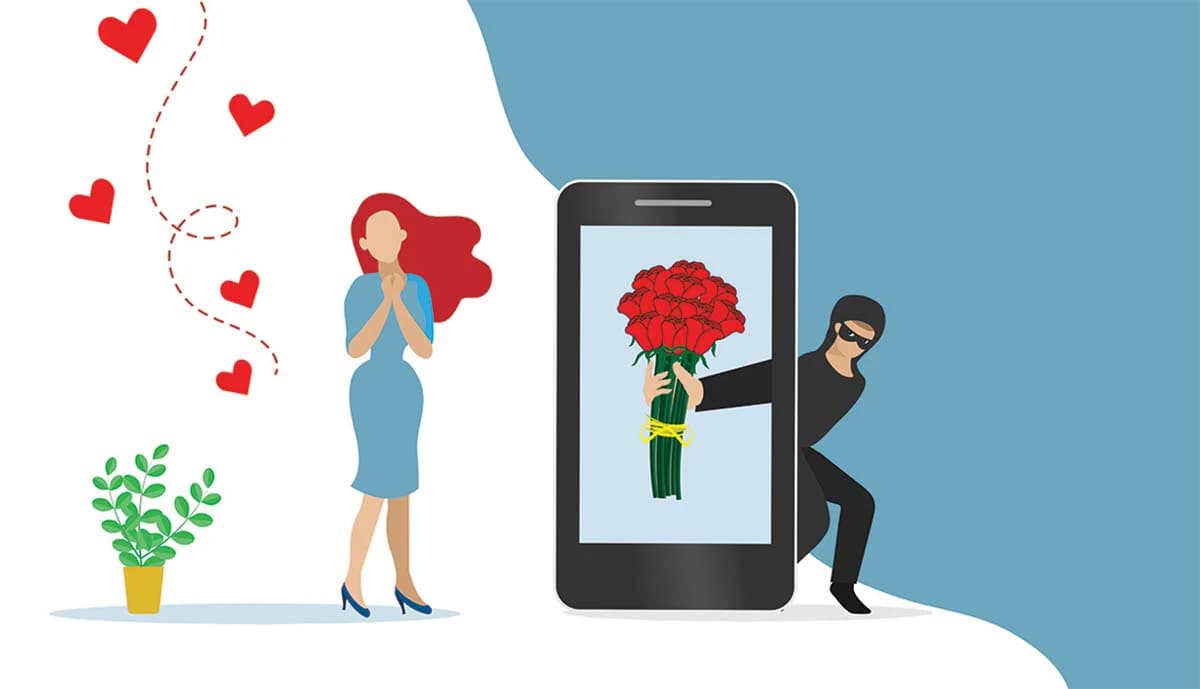
Romance fraud is one of the most damaging forms of online crime — costing victims billions worldwide every year. Here's how to recognise the warning signs and protect yourself.
Our top pick

What Is Romance Fraud?
Romance fraud — sometimes called a romance scam — is when someone creates a fake online identity to build an emotional connection with you, then uses that trust to extract money. It happens on dating apps, social media, and even gaming platforms. Reported losses run into the billions globally every year, with the average victim losing thousands. The real figure is thought to be far higher, as many cases go unreported due to embarrassment.
What makes romance fraud so devastating is that it targets your emotions rather than your wallet directly. By the time money is mentioned, many victims are deeply invested in what they believe is a genuine relationship.
The Most Common Warning Signs
Scammers tend to follow recognisable patterns. Knowing what to look for is your first line of defence.
They're almost too perfect
Profile photos show an unusually attractive person — often military, a doctor working abroad, or a successful businessman. The photos are professional-looking and oddly varied. A quick reverse image search on Google will often reveal the images are stolen from someone else's social media.
They move very fast
Within days, they're declaring love and referring to you as their soulmate. This is a deliberate technique to create emotional dependency quickly. Real relationships don't move at this pace.
They always have a reason they can't meet
They're working offshore, stationed overseas with the military, or caring for a sick relative abroad. There's always a compelling excuse for why video calls are impossible or keep getting cut short. They will never agree to a live, unscripted video call.
The first money request
A crisis emerges — medical bills, a stuck shipment, a plane ticket home. The amount starts small and escalates. They may frame it as a loan, or suggest you invest in something together. Once you pay, either more requests follow or they disappear entirely.
They ask you to move off the dating platform quickly
Most dating platforms have fraud detection. Scammers try to move conversations to WhatsApp, Telegram or email as soon as possible to avoid detection and monitoring.
Types of Romance Scam to Know About
Pig butchering (cryptocurrency investment scams)
One of the fastest-growing forms of romance fraud. After establishing trust, the scammer introduces you to a lucrative cryptocurrency investment opportunity. They may even show you fake profits to encourage larger deposits. When you try to withdraw, fees or taxes are demanded — and then they vanish. These scams have cost victims hundreds of thousands of pounds.
Sextortion
The scammer encourages you to share intimate images or videos, then threatens to send them to your contacts unless you pay. If this happens to you, do not pay — contact your country's national cybercrime reporting authority immediately. In the UK, that's Action Fraud: actionfraud.police.uk or 0300 123 2040.
The stranded traveller
A classic: they're travelling and have been robbed or hospitalised. They just need £500 to get home and will pay you back. They never do.
How to Protect Yourself
Reverse image search every profile photo
Right-click any profile photo and search Google Images. If the same face appears under multiple names or on stock photo sites, you're looking at a stolen image.
Insist on a live video call early
Not a pre-recorded clip — a live call where you ask them to wave or hold up a piece of paper with today's date. If they refuse or constantly reschedule, treat it as a red flag.
Never send money to someone you haven't met in person
This is the single most important rule. No matter how convincing the story, no matter how strong the feelings, do not transfer money to someone you've only met online. Legitimate partners do not ask for money from people they've never met.
Tell someone you trust
Scammers deliberately try to isolate their victims, encouraging secrecy about the relationship. If you're investing time and emotion in an online relationship, tell a friend or family member. A fresh perspective catches things you might miss.
Check the site's safety features
Reputable dating sites use ID verification and actively monitor for suspicious profiles. Stick to well-established platforms that invest in fraud prevention. Our best dating sites guide highlights which platforms have the strongest safety records.
What to Do If You Think You've Been Scammed
If you believe you've been targeted, stop all contact immediately and do not send any more money. Report the profile on whichever platform you used — screenshots are useful evidence. Then report to your country's cybercrime or fraud reporting service. In the UK: actionfraud.police.uk or 0300 123 2040. Your bank may be able to recover some funds if you act quickly, so contact them immediately if you've made a transfer.
There's no shame in being targeted — these are professional criminals who spend weeks or months grooming their victims. Anyone can be caught out.
Final Thoughts
Online dating is a perfectly safe and effective way to meet people — millions of couples have met online. The key is to stay alert to patterns that don't feel right, trust your instincts, and remember that anyone who genuinely cares about you will never put you in a position where you feel pressured to hand over money. Take your time, keep your guard up in the early stages, and enjoy the process.
From Best10DatingGuide
Start on a platform you can trust
The right site makes a real difference to your safety. We've independently ranked the best dating platforms by security, verification quality, and real user experience.